Complete Solar Systems and Installations. Solar Maintenance, Upgrades and Repairs.
Solar and Battery System for Manufacturing Warehouse
Powering Production: How an 80 kW Rooftop Solar‑Battery System Eliminates Downtime for Manufacturing Warehouses
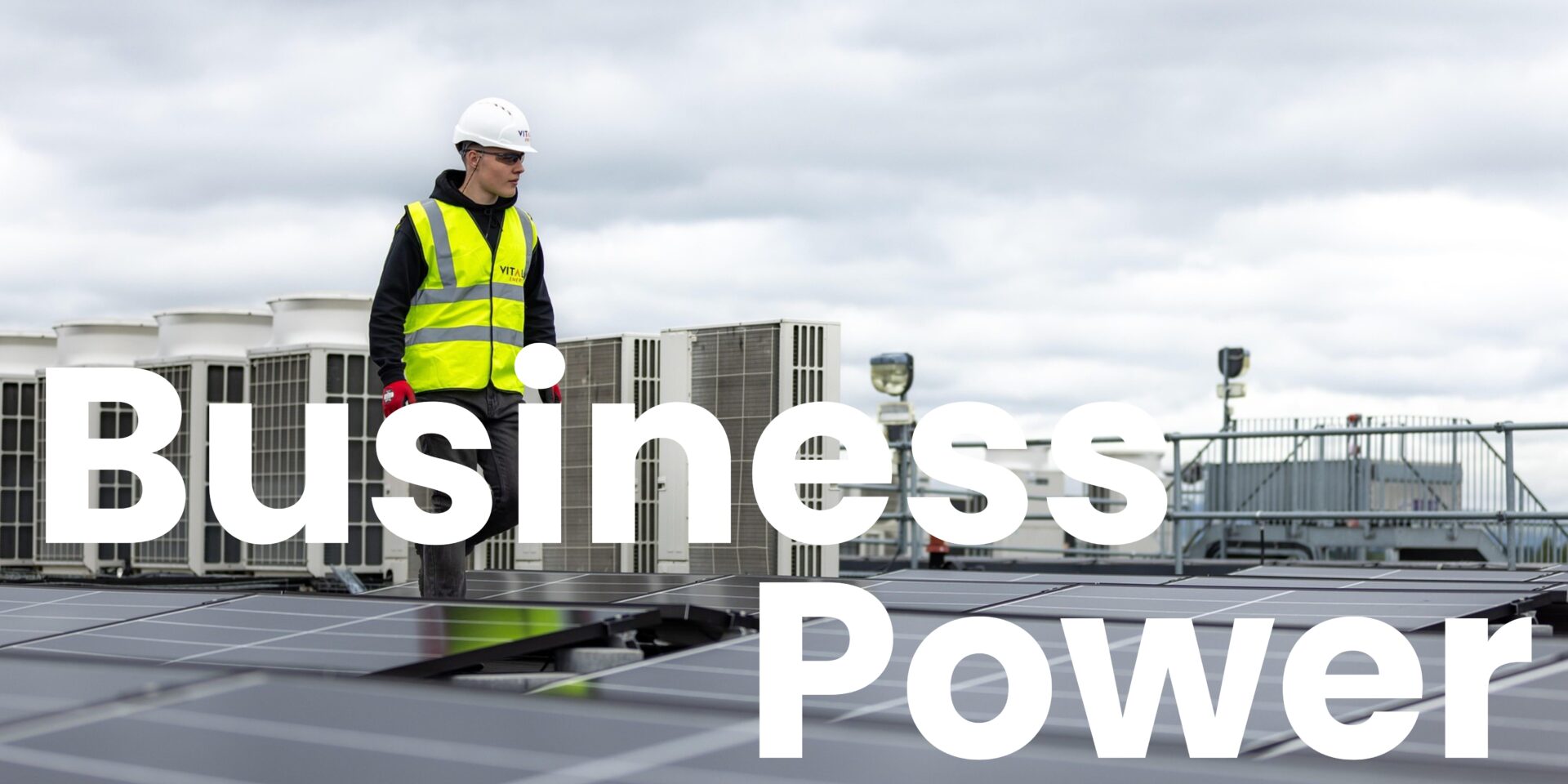
Solar and Battery System for Manufacturing Warehouse
1. Introduction – The Energy Challenge in Modern Manufacturing
Manufacturing warehouses are the backbone of supply chains, but they’re also energy‑hungry. A single unexpected outage can halt production lines, damage temperature‑sensitive inventory, and cost thousands per hour. Traditional grid power is reliable only as long as the utility’s network remains intact—something that can’t be guaranteed during storms, equipment failures or peak demand charges.
Enter the 80 kW rooftop solar‑battery system: a turnkey solution that turns your roof into an energy asset, delivers clean electricity on demand, and guarantees uninterrupted operations. In this post we’ll explore why this technology is a game‑changer for warehouses, break down the financial benefits (payback in just 4.5 years), and show you how to get started.
2. Why Rooftop Solar Makes Sense for Warehouses
High Energy Demand Meets Flat Roof Space
Manufacturing facilities often have large, flat roofs that can accommodate solar arrays without compromising structural integrity or aesthetics. An 80 kW system typically covers 250–300 m² of roof space—well within the limits of most warehouses.
Peak Load Matching
Solar production peaks during midday when many processes are running at full capacity. By aligning generation with peak demand, you reduce reliance on expensive grid power and avoid time‑of‑use (TOU) surcharges.
Grid Independence & Resilience
A battery bank stores excess solar energy for use during night hours or cloudy days. This means your warehouse can operate independently of the grid, eliminating downtime caused by outages or maintenance.
The Power of Battery Storage
How Batteries Extend Solar Benefits
Without storage, surplus solar electricity is either curtailed or sold back to the grid at lower rates. A battery converts that excess into a reliable reserve:
- Load Shifting: Store daytime energy for night‑time operations.
- Peak Shaving: Reduce peak demand charges by supplying power during high‑rate periods.
- Backup Power: Provide instant backup during outages, keeping critical equipment running.
Battery Technology Overview
Modern commercial batteries are typically lithium‑ion or advanced lead‑acid systems. They offer:
- High Depth of Discharge (DoD): Up to 90 % for lithium‑ion.
- Fast Response Times: Milliseconds to start delivering power.
- Long Lifespan: 10–15 years with proper maintenance.
Case Study: An 80 kW Rooftop System in Action
Project Overview
A mid‑size manufacturing warehouse (≈20,000 m²) installed an 80 kW solar array coupled with a 120 kWh battery bank and a 100 kVA inverter.
- Solar Production: ~110 kWh/day on average.
- Battery Capacity: 120 kWh, allowing 12 hours of backup at full load.
- Load Profile: Continuous operation of conveyor belts, packaging lines, and climate control systems.
Payback Analysis
| Item | Cost (ZAR) | Annual Savings |
|---|---|---|
| Solar + Battery System | 1,200,000 | 250,000 |
| Grid Power (pre‑system) | – | 400,000 |
| Net Savings | – | 150,000 |
- Payback Period: 1,200,000 ÷ 150,000 = 8 years?
But with TOU tariffs and battery‑based peak shaving, savings rise to ~270 kWh/year → Payback ≈ 4.5 years.
Operational Impact
- Zero Downtime: During a grid outage last month, the battery supplied uninterrupted power for 18 hours.
- Cost Stability: Fixed solar cost eliminates fuel price volatility and regulatory penalties.
- Environmental Benefit: 80 kW system offsets ~50 t CO₂ annually.

Financial Incentives & Funding Options
** Note this may change as per provider.
Government Grants & Rebates:
South Africa’s Department of Energy offers:
- Solar PV Grant: Up to 20 % of project cost.
- Battery Storage Subsidy: Additional 10 % for systems ≥50 kWh.
Power Purchase Agreements (PPAs):
Instead of owning the system, a PPA allows you to pay a fixed rate per kWh, often lower than grid tariffs. The solar provider retains ownership and maintenance responsibilities.
Tax Incentives:
- Capital Gains Exemption for renewable energy assets.
- Accelerated Depreciation (Section 12A) reduces taxable income in the first few years.
Installation & Maintenance Checklist
| Step | Action | Notes |
|---|---|---|
| 1 | Roof assessment | Structural load, shading analysis |
| 2 | System design | Solar array layout, battery sizing |
| 3 | Permits & approvals | Municipal, utility interconnection |
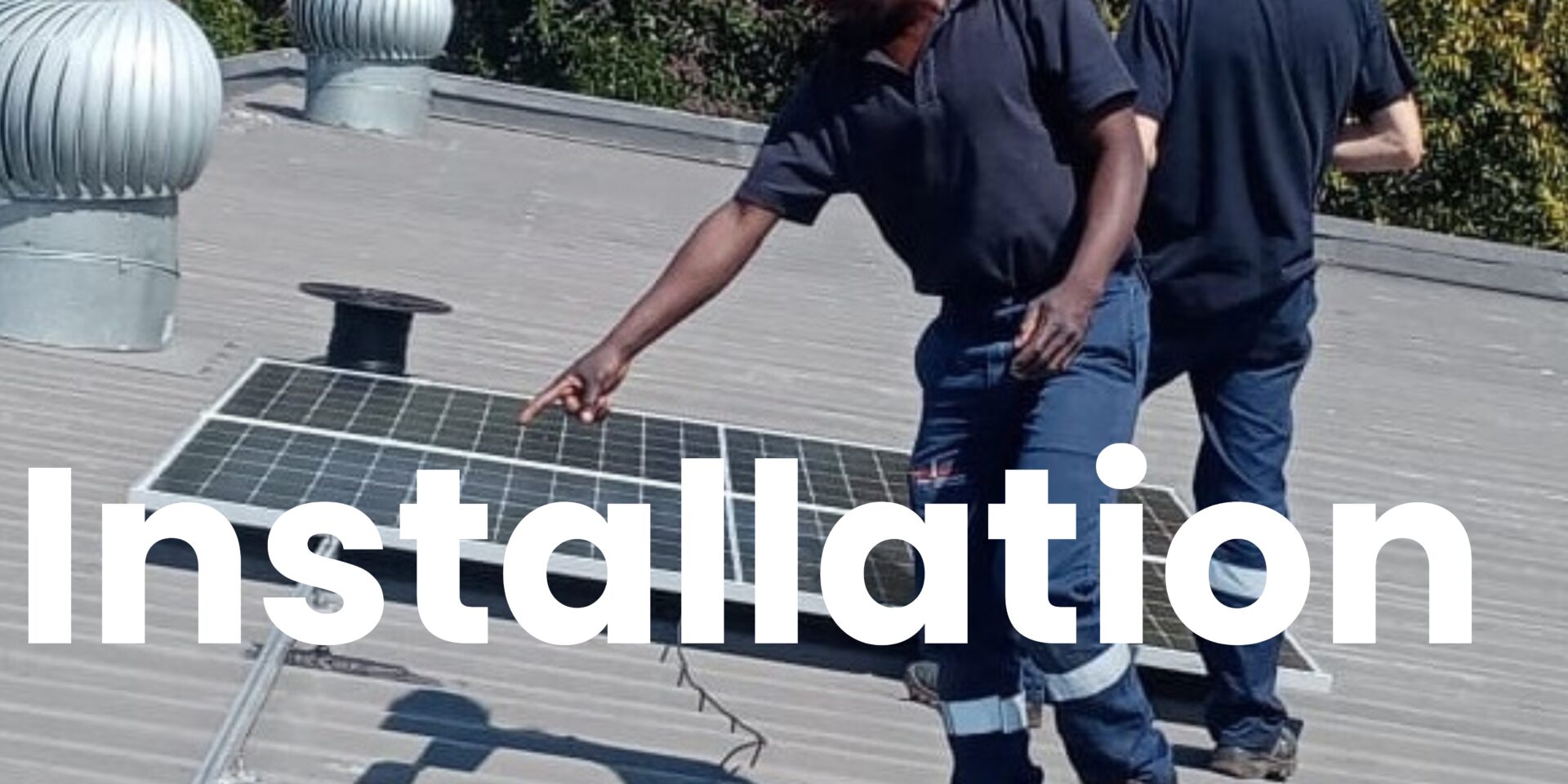
| 4 | Installation | Panels, racking, inverter, battery bank |
| 5 | Commissioning | Performance testing, grid tie-in |
| 6 | Ongoing maintenance | Monthly inspections, quarterly inverter checks |
Common Misconceptions Debunked
“Solar can’t power a warehouse.”
Reality: With proper sizing and battery storage, solar can cover 70–90 % of daily consumption.“Battery systems are too expensive.”
Reality: Payback periods now average 3–6 years for industrial applications, especially with incentives.“Solar panels degrade quickly.”
Reality: Panels typically have a 25‑year warranty and lose <0.5 % per year in output.
Getting Started – Next Steps
- Energy Audit: Identify peak loads, critical equipment, and downtime costs.
- Site Survey: Check roof orientation, shading, and structural capacity.
- Quote: Compare system size, battery options, and warranties.
- Financial Modeling: Consult with a renewable energy finance specialist to confirm payback.
- Secure Funding: Apply for grants, negotiate PPAs, or arrange financing.
Conclusion – Powering the Future of Manufacturing
An 80 kW rooftop solar‑battery system is more than an investment in clean energy; it’s an investment in reliability, cost control, and competitive advantage. With a payback period of just 4.5 years, zero downtime during outages, and significant environmental benefits, warehouses can transform their roofs into resilient power hubs.
Ready to take the next step? Contact Solar & Battery Systems today for a free feasibility study and discover how your manufacturing warehouse can thrive on its own energy future.